
The Surprising Sustainability of Asphalt
Asphalt is a material you see every day, whether it's on the roads you drive on, the parking lots you frequent or the driveway you park on at home. But did you know that asphalt is one of the most recycled materials in the world? In fact, it’s far more sustainable than most people realize. Every year, about 80 percent of reclaimed asphalt pavement (RAP) is recycled, compared to the 60% for aluminum cans, 56 percent for newsprint, 37 percent for plastic soft drink bottles.
At Pavages Nick, we believe in the importance of environmentally friendly practices, and asphalt recycling is one of the ways we help build a greener future.
How Asphalt Recycling Works
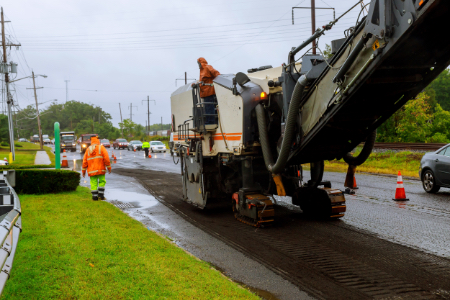
Recycling asphalt begins with a process called milling, where the top layer of an asphalt surface is removed and transported to a recycling facility. At this point, the material—known as reclaimed asphalt pavement (RAP)—is crushed, screened, and processed to remove contaminants. The reclaimed material is then mixed with new materials, such as aggregates and fresh asphalt binder, to create a new paving mix. This recycled asphalt can be used in everything from roadways to parking lots, extending the life of existing materials.
Environmental Benefits of Asphalt Recycling
1. Reduces the Demand for New Materials Reclaimed asphalt helps decrease the need for new raw materials like aggregates (crushed stone, gravel) and bitumen (a petroleum-based binder). By reusing asphalt, companies can significantly reduce the environmental impact caused by quarrying, mining, and processing these new materials.
2. Decreases Landfill Waste Without recycling, old asphalt would end up in landfills, taking up valuable space and contributing to waste. By recycling asphalt, we help minimize the amount of construction debris entering landfills, keeping our environment cleaner and more sustainable.
3. Lowers Energy Consumption Producing new asphalt from scratch requires more energy and resources than using reclaimed asphalt. By incorporating RAP into new mixes, the energy used in the production process is drastically reduced, resulting in lower greenhouse gas emission.
4. Reduces Greenhouse Gas Emissions When asphalt is recycled, less energy is needed to produce new paving material, which translates into fewer emissions from manufacturing plants. Additionally, transporting new materials from quarries and processing facilities consumes fuel and emits CO2. By recycling, the transportation distance is often shorter, further reducing the carbon footprint.
5. Saves Natural Resources Asphalt recycling conserves essential natural resources like oil, sand, and gravel. Since bitumen (the binder in asphalt) is a byproduct of petroleum, recycling asphalt means using less crude oil, which is a non-renewable resource.
Quality and Durability of Recycled Asphalt
Many people may assume that recycled asphalt isn't as durable as new asphalt, but that's a misconception. When done correctly, recycled asphalt can meet, and even exceed, the quality of newly produced asphalt. Innovations in paving technology allow for high-quality reclaimed asphalt that performs just as well as traditional mixes. This means you get the same durability, smoothness, and longevity while contributing to a more sustainable environment.
Why Pavages Nick Prioritizes Asphalt Recycling
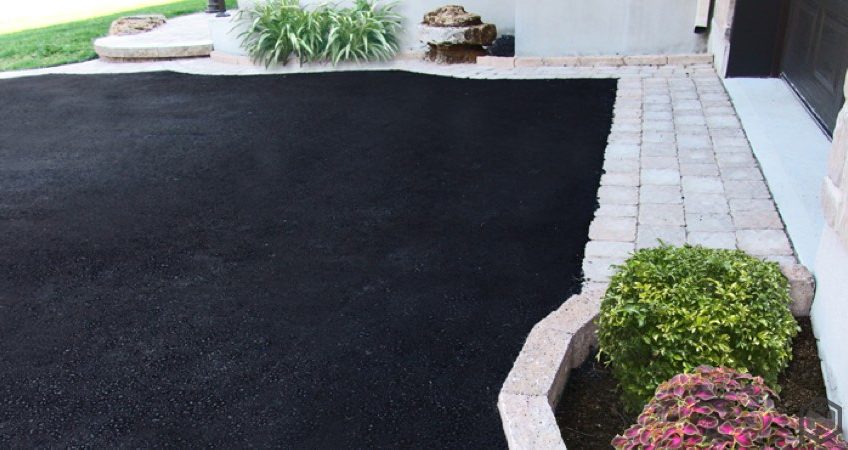
At Pavages Nick, we’re committed to using eco-friendly practices in all our projects. Asphalt recycling is a critical part of our sustainability efforts, allowing us to deliver high-quality results while reducing our environmental impact. Whether you’re repaving a driveway, a parking lot, or an entire road, we ensure that our projects are not only effective but also environmentally responsible.
Conclusion
Asphalt is much more than a durable paving material; it’s a sustainable solution that can be continuously reused and repurposed. By recycling asphalt, we reduce waste, conserve natural resources, and lower our carbon footprint—all while delivering high-performance paving solutions. If you’re looking for eco-friendly paving options in Quebec, Pavages Nick has the expertise to meet your needs while making a positive impact on the environment.